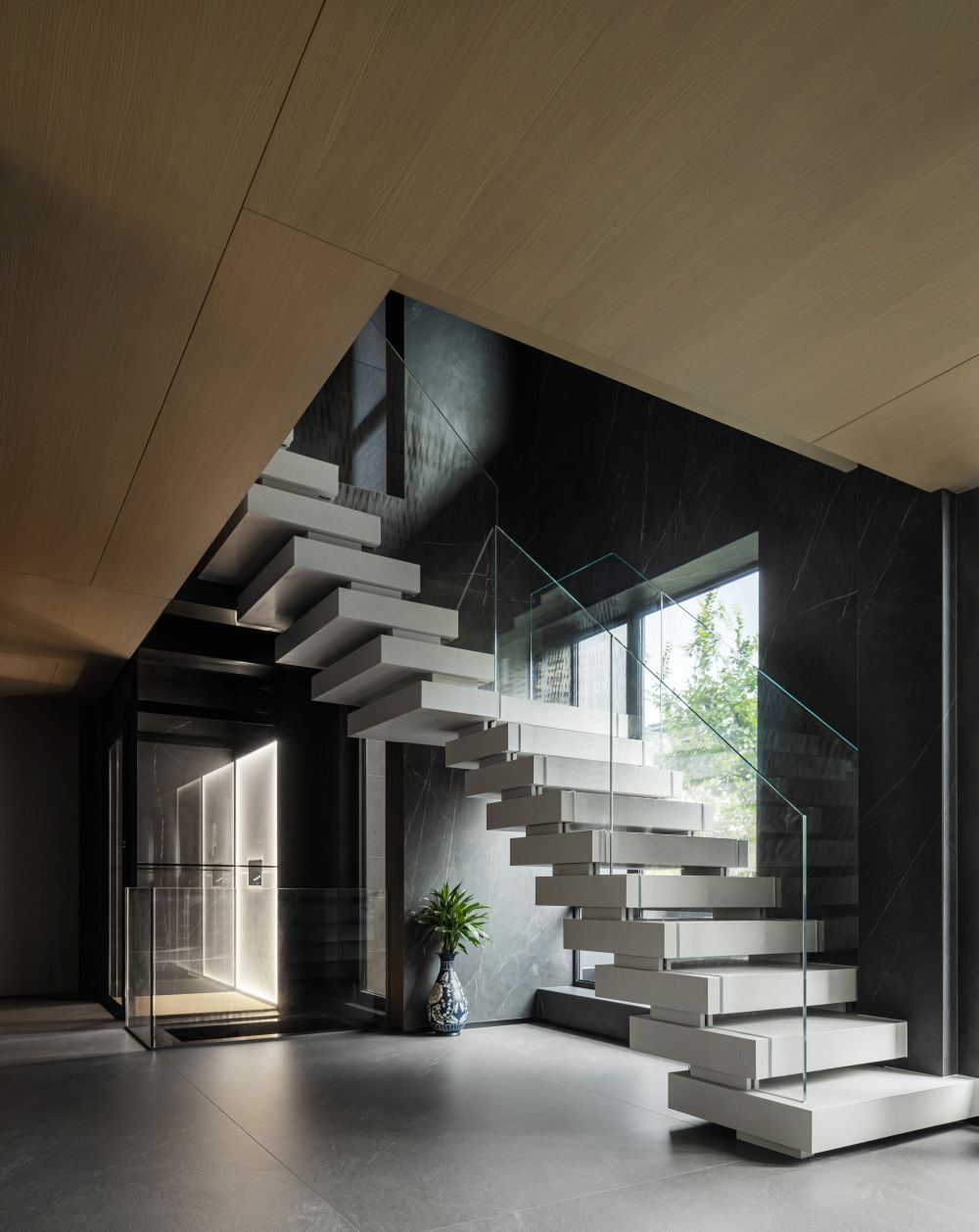
How Long Term Thinking Is Shaping Homes in 2026

As we look toward 2026, home design is increasingly shaped by long-term thinking rather than short-term trends.

In 2026, the conversation about homes is shifting. What were once isolated “trends” – smart connectivity, aging-friendly design, family-centric living and sustainability – are now the directions global housing markets are moving in.

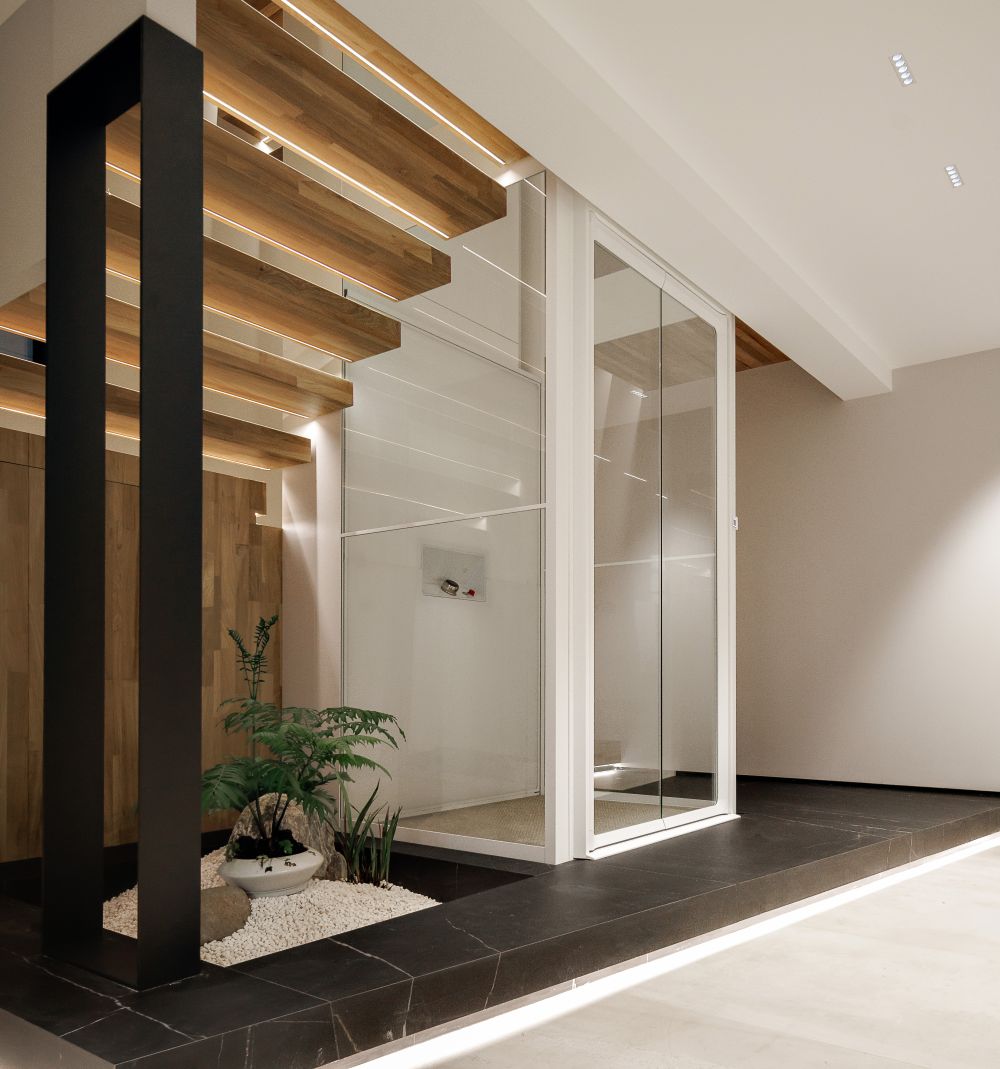
This shift reflects deeper social, cultural and regulatory changes. People are staying in their homes longer, families are living differently, and expectations around inclusion and accessibility are rising. Homes are increasingly designed to support life over decades, not just the needs of today, making solutions like the Aritco HomeLift more relevant than ever.
 

Smart homes are maturing

Smart home technology continues to expand, but its role is changing. Rather than adding more devices, the focus is now on integration and usability. Initiatives like the ACTIVAGE project in Europe show how connected technologies can support independent living by linking lighting, climate control, security and health-related systems in a coherent way.

In Asia, research points to growing demand for smart home solutions that improve safety, comfort and energy efficiency across all age groups.

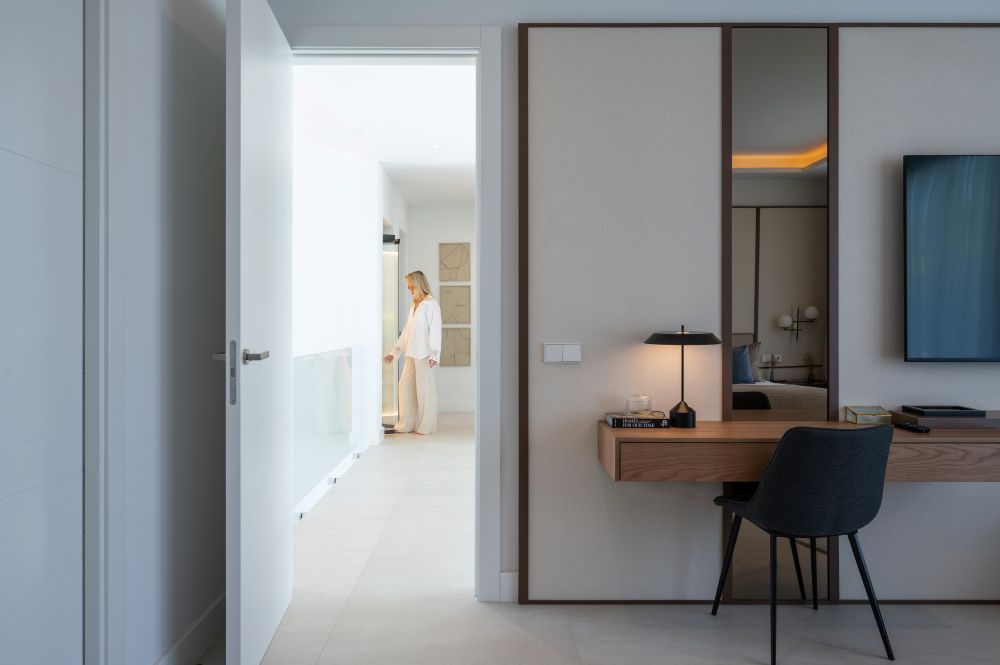
As this way of thinking evolves, mobility is becoming a natural part of the smart home conversation. A truly integrated smart home is one where everything works together. Lifts that offer smart solutions, such as Aritco’s SmartLift app, which allows users to control lighting, check safety features and stay on top of maintenance, fit seamlessly into this kind of home. They make moving between floors feel as intuitive as using any other smart function.

Accessibility moves from optional to expected

Accessibility is no longer only a personal consideration. It is becoming a structural requirement. In the European Union, the European Accessibility Act, which came into force in 2025, sets accessibility requirements for a wide range of products and services to ensure equal access for people with disabilities. While primarily focused on public-facing goods and services, it reflects a broader shift toward inclusive design that is already influencing building standards, planning expectations and renovation decisions.

At the same time, building regulations in many countries are placing greater emphasis on accessibility, particularly in new homes. Even when requirements are broad, they increasingly influence renovation decisions and long-term property value. This is encouraging homeowners to think ahead. By planning for accessibility early, it becomes easier to avoid disruptive changes later and ensure the home continues to feel comfortable, relevant and future-ready. For many, solutions such as home lifts are now seen as a thoughtful long-term investment, offering benefits well beyond immediate needs.

Aging in place continues to be a priority

More and more people are choosing to stay in their homes as they grow older. In the UK, organisations such as Age UK consistently highlight a strong preference for remaining in familiar surroundings, supported by data from several studies, which shows that home ownership remains high among older age groups.

This choice is influencing how homes are planned and adapted. Rather than waiting for needs to change, homeowners are thinking ahead, making choices that help their homes stay comfortable and practical over time.

Multigenerational homes are becoming more common

Economic pressures, cultural traditions and changing family dynamics are all contributing to a rise in multigenerational living. In parts of Europe, particularly Southern and Eastern regions, living with extended family has long been common, and across much of Asia, multigenerational households remain deeply rooted, with homes designed to accommodate several generations under one roof.

Designing for multigenerational living requires flexibility. Homes need to balance privacy with shared space and allow everyone – from children to older family members – to move freely and safely. Home lifts that support access across levels help ensure the home works equally well for every generation.

Sustainability means building to last

Sustainability in 2026 is increasingly about longevity. There is growing emphasis on durable materials, energy efficiency and homes that can adapt over time rather than requiring frequent replacement or renovation.

Designing homes that last longer, perform better and remain comfortable as needs change is one of the most sustainable choices homeowners can make. Planning for accessibility early, whether in a new build or a larger renovation, helps reduce the need for future structural changes and supports a more responsible use of resources over the life of the home.

A Clear Direction for the Future of Living

Across regions and generations, there is a growing preference for spaces that can evolve, respond and remain comfortable over time. This shift toward long-term planning is shaping decisions at every stage, from layout and materials to how people move through their homes.

Rooted in accessibility, comfort and sustainability, Aritco HomeLifts are part of a wider movement toward homes designed to evolve with everyday life.